How to Spot Water Damage When Buying a Home
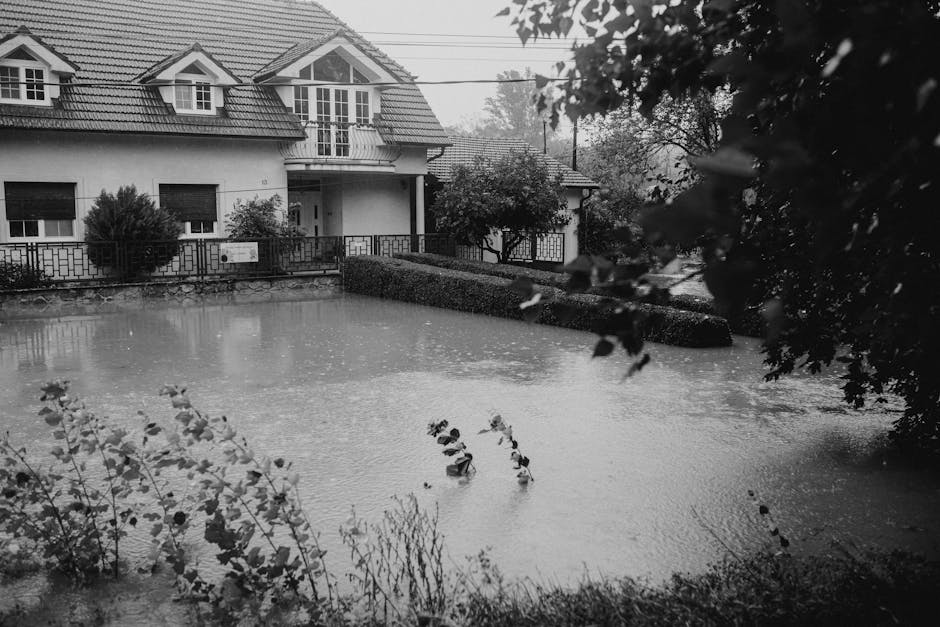
How to Spot Water Damage When Buying a Home
Have you ever fallen in love with a property only to discover it has hidden water damage? This happens more often than you might think. Suffolk, with its charming homes and beautiful neighborhoods, can sometimes hide these costly secrets. Knowing how to spot water damage can save you from making a regrettable investment.
Common Signs of Water Damage
When you start your house hunting in Suffolk, keep an eye out for these indicators:
- Stains on Walls and Ceilings: Look for any discoloration. Yellowish or brown spots could signify leaks.
- Warped Floors: Buckling or sagging floors may indicate long-term water exposure.
- Mold Growth: If you see or smell mold in any area, it’s likely a sign of moisture problems.
- Soft or Spongy Areas: When walking on floors or near walls, any softness could mean underlying water damage.
Being aware of these signs can guide your decision-making process.
The Importance of a Home Inspection in Suffolk
A thorough home inspection can uncover issues you might not notice during a casual walkthrough. In Suffolk, qualified inspectors often check plumbing, roofing, and basement areas for potential water damage. Here are a few inspection tips:
- Request a Comprehensive Report: Ensure the inspector covers all aspects of the property, especially areas prone to moisture.
- Focus on the Basement: Many Suffolk homes have basements that can be susceptible to water accumulation. Look for water marks or dampness here.
- Ask About Previous Repairs: Inquire if the homeowner faced water damage before and how it was addressed. Documentation can offer valuable insight.
Why Suffolk's Climate Matters
Suffolk's humid subtropical climate can be both a blessing and a curse for homeowners. The combination of high humidity and rain increases the risk of water damage. Therefore, understanding how climate affects your potential home is crucial. Here’s how:
- High humidity can lead to condensation, which may create ideal conditions for mold and mildew.
- Frequent rainstorms can leave homes vulnerable, especially with poor drainage systems in place.
- Seasonal changes may cause pipes to freeze, leading to bursts when temperatures rise.
Understanding these risks allows you to evaluate properties more critically.
Areas to Inspect Closely in Suffolk Homes
When walking through homes, pay special attention to certain areas where water damage is most likely to occur:
- Bathrooms: Check under sinks and around tubs for leaks.
- Kitchens: Inspect the area around the refrigerator and dishwasher for any signs of water.
- Attics: Look for any evidence of roof leaks, such as water stains or mold.
- Windows and Doors: Ensure seals are intact to prevent rainwater from seeping in.
By focusing on these areas, you can better assess a home's condition.
What to Do If You Find Water Damage
If you notice any signs of water damage during your house hunt in Suffolk, don't panic. Here are steps you can take:
- Get a Professional Opinion: Contact water damage restoration experts to evaluate the extent of the damage. Suffolk Water Damage Restoration Pros can assist you in navigating these issues.
- Negotiate Repairs: You can use the findings from your inspection to negotiate repairs or a lower price with the seller.
- Consider Alternatives: If the water damage is extensive, you may want to walk away. Your long-term peace of mind is worth it.
Conclusion
Purchasing a home in Suffolk can be an exciting journey, filled with possibilities and dreams. However, being vigilant about water damage can make all the difference. By knowing what to look for and understanding your options, you can choose a home that truly feels like a safe haven.
If you suspect water damage in a property you’re considering, reaching out to Suffolk Water Damage Restoration Pros at (877) 489-0270 can help you make an informed decision. Protect your investment by staying proactive — before it’s too late.